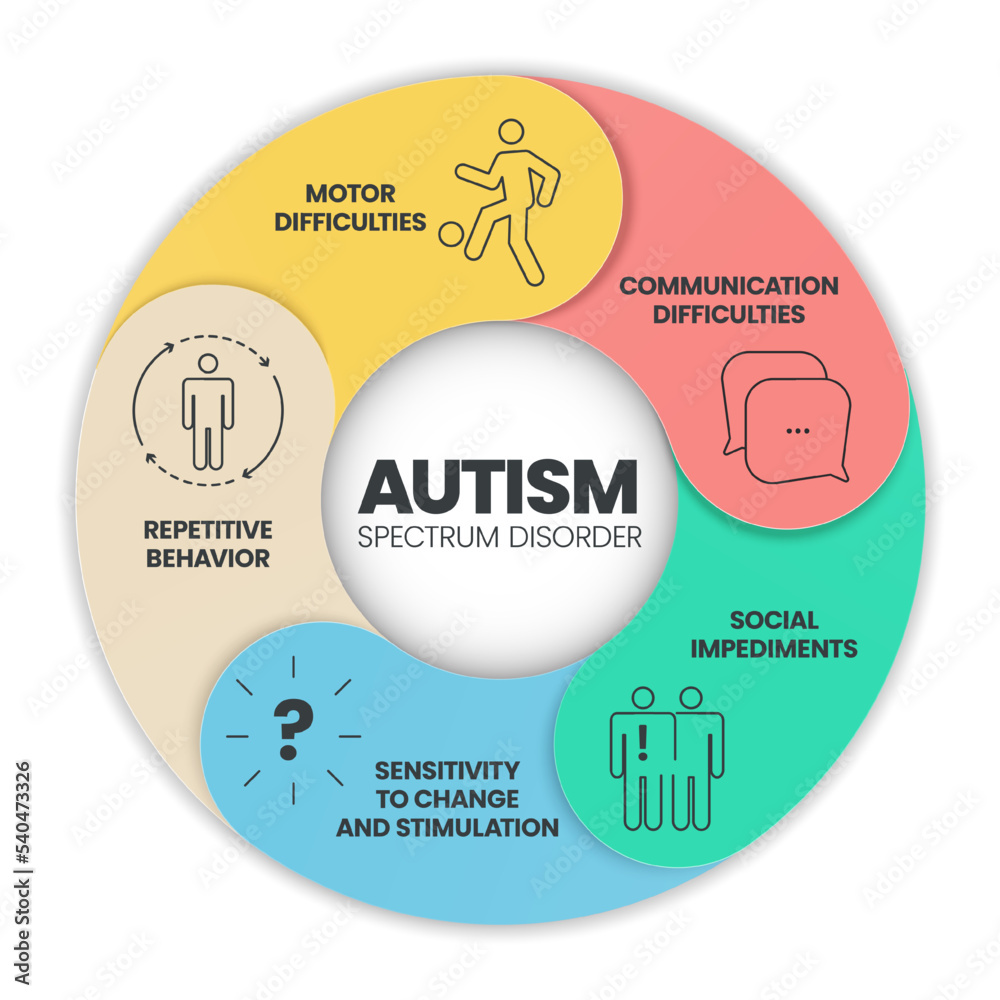
Autism assessment can feel like stepping into a maze—there are twists, turns, and, unfortunately, a lot of myths that can mislead parents, educators, and even clinicians. In Australia, where the journey to a diagnosis can take months and sometimes Limited pointing or gestures years, understanding the truth behind these misconceptions is essential. This article unpacks the most persistent myths, explains why accurate assessment matters, and offers practical steps to ensure families receive the support they need.
The Landscape of Autism Assessment in Australia
Australia’s approach to autism assessment is guided by national guidelines, but the reality on the ground can vary. Assessments are typically conducted by a multidisciplinary team that may include psychologists, speech therapists, occupational therapists, and medical doctors. The process often involves a combination of developmental history reviews, standardized tests, and observational methods. Because each child is unique, the assessment can take several sessions, sometimes stretching over months.
Why does this matter? Because a thorough assessment is the foundation for tailored support, funding eligibility, and a roadmap for education and therapy. A rushed or incomplete evaluation can leave families with unanswered questions and inadequate resources.
Debunking the Most Persistent Myths
Myth 1: Autism Assessment Is Quick and Easy
It’s tempting to imagine a single appointment where a doctor looks at a child and instantly knows everything. In reality, a comprehensive assessment is more like assembling a jigsaw puzzle—each piece (behavioral observations, parent interviews, standardized tests) must fit together to reveal the whole picture. Rushing through this process can miss subtle nuances, leading to misdiagnosis or missed opportunities for early intervention.
Myth 2: Only Psychologists Can Conduct Autism Assessments
While psychologists play a central role, a full assessment often requires a team. Speech therapists evaluate communication patterns; occupational therapists assess sensory processing and daily living skills; medical doctors rule out other medical conditions. Think of the assessment as a symphony—each specialist contributes a different instrument to create a harmonious understanding of the child’s strengths and challenges.
Myth 3: Assessment Is Just About Diagnosis
A diagnosis is a label, but it’s also a key that unlocks support services, educational placements, and funding. The assessment process also gathers data that inform individualized education plans (IEPs), therapy goals, and family training. Without this information, the diagnosis alone may not translate into meaningful help.
Myth 4: Once Assessed, No More Support Is Needed
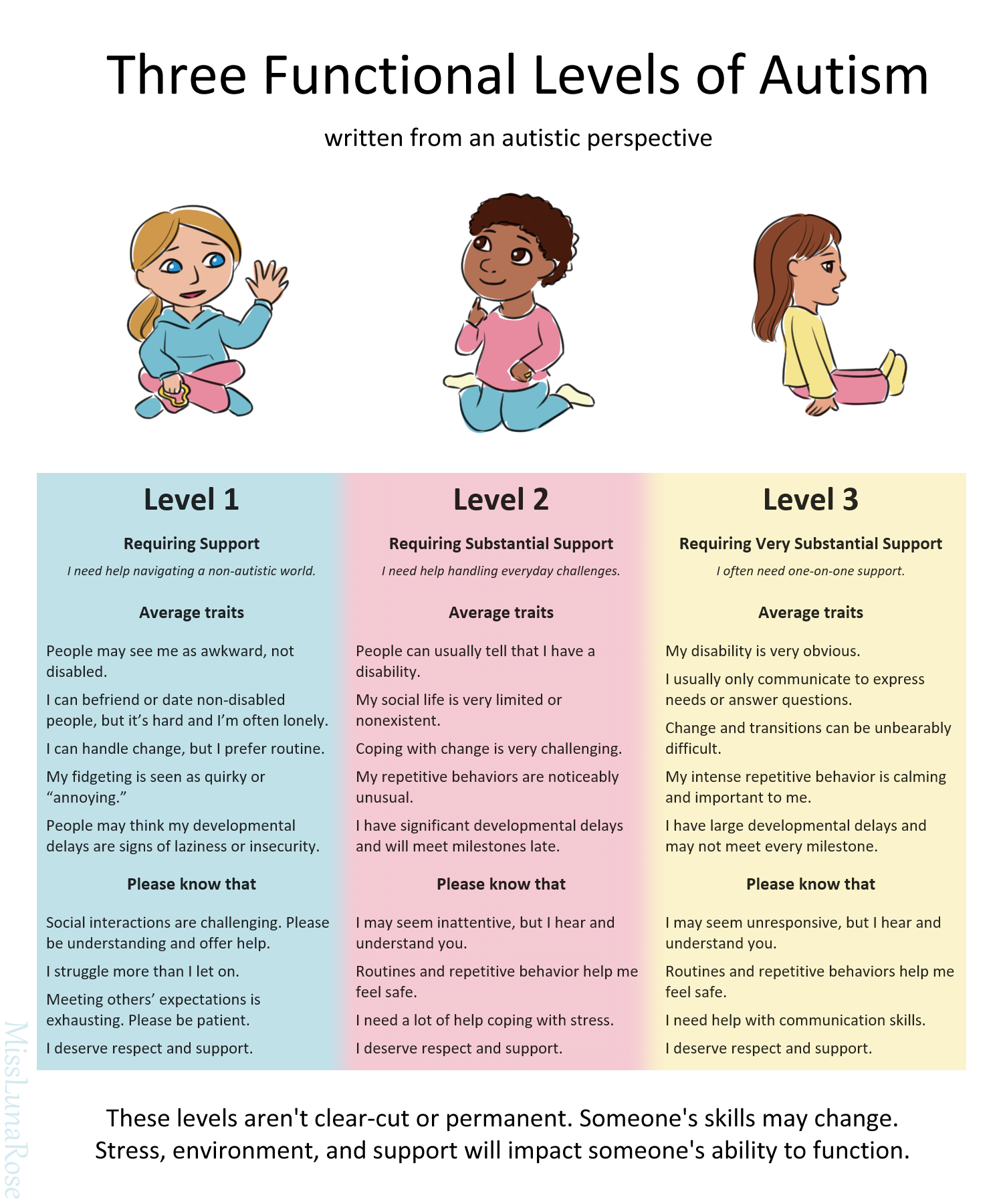
The journey doesn’t end after the report is handed over. Autism is a lifelong condition, and needs can change with age, environment, and development. Regular reviews—every 12 to 18 months—ensure that support remains relevant and effective. Think of the assessment as a living document, not a one‑off certificate.
Why Accurate Assessment Matters
Accurate assessment is the cornerstone of effective intervention. It determines:
- Eligibility for government funding such as the National Disability Insurance Scheme (NDIS) Appropriate educational placements that respect a child’s learning style Targeted therapies that address specific challenges, from social communication to sensory processing Family support through counseling, training, and respite services
When families understand the “why” behind each recommendation, they feel empowered rather than overwhelmed. As Dr. Temple Grandin once said, “Autism is not a disease, it’s a different way of being.” Recognizing this difference starts with a clear, accurate assessment.
Steps to a Reliable Assessment
Seek a qualified multidisciplinary team- Look for professionals with experience in autism assessment and a collaborative approach.
- Include milestones, early behaviors, family history, and any previous interventions.
- Consistency helps professionals capture a full range of behaviors across contexts.
- No question is too small; understanding the process demystifies the experience.
- A clear report outlines next steps, recommended services, and timelines.
- Set a calendar reminder for annual reassessments to adjust support as needed.
Moving Forward: Empowering Families and Professionals
The myths surrounding autism assessment in Australia can be dispelled through knowledge, collaboration, and persistence. Parents who advocate for thorough, multidisciplinary evaluations are more likely to secure the resources their child needs. Likewise, clinicians who communicate clearly about the scope and duration of assessments build trust and reduce anxiety.
Imagine Sensory-seeking behavior the assessment process as a bridge—built from many small stones (observations, tests, interviews). Each stone must be placed carefully; otherwise, the bridge collapses. By understanding the truth behind common myths, families and professionals can lay a solid foundation that supports the child’s journey for years to come.
*Take the first step: research local multidisciplinary teams, gather your child’s developmental history, and schedule an initial consultation. Your child’s future may well depend on the clarity and depth of that first assessment.*